Digital Balance
From Screen Time to Face-to-Face Time
A physical game gives people something to do together—and something to talk about before, during, and after the match.
Read article →
Community & Vision
A local game gives people a repeated reason to meet, learn, compete, trade, and recognize one another over time.
By Beast Cubes Team · Published August 2, 2026
Community does not appear because a brand places the word on a page. It grows when people have repeated reasons to meet, recognize one another, share knowledge, and return.
Local games can create those reasons.
A Beast Cubes gathering could begin with only a few players and a clear permitted play area. One person teaches Baby Kick. Another demonstrates Grasshopper Kick. Players compare Beasts, discuss Life Points, arrange matches, and trade duplicates with appropriate adult involvement.
The activity gives the group structure without requiring everyone to know one another first.
Walking into a new group can be uncomfortable when there is no obvious way to participate. A game provides a role.
A new person can watch a match, ask about a cube, learn a technique, or begin with a single Beast. The conversation does not need to start with personal information. It starts with the shared activity.
That makes physical games useful in clubs, organized demos, community groups, and supervised school-related settings.
A one-time event can be enjoyable, but community usually requires continuity.
When players meet again, they remember previous matches and collections. They can notice improvement, complete a postponed trade, or introduce another person. Familiar faces begin to matter as much as the game itself.
This is why Beast Cubes should eventually support repeatable local formats rather than only large promotional events. The long-term possibilities may include clubs, organized demos, community matches, and competitive events, but none should be presented as confirmed until the program actually exists.
A local collection creates ongoing interest. Someone may find a Beast another player wanted. A new reveal may change what people bring to the next meeting. A duplicate can become a planned trade or gift.
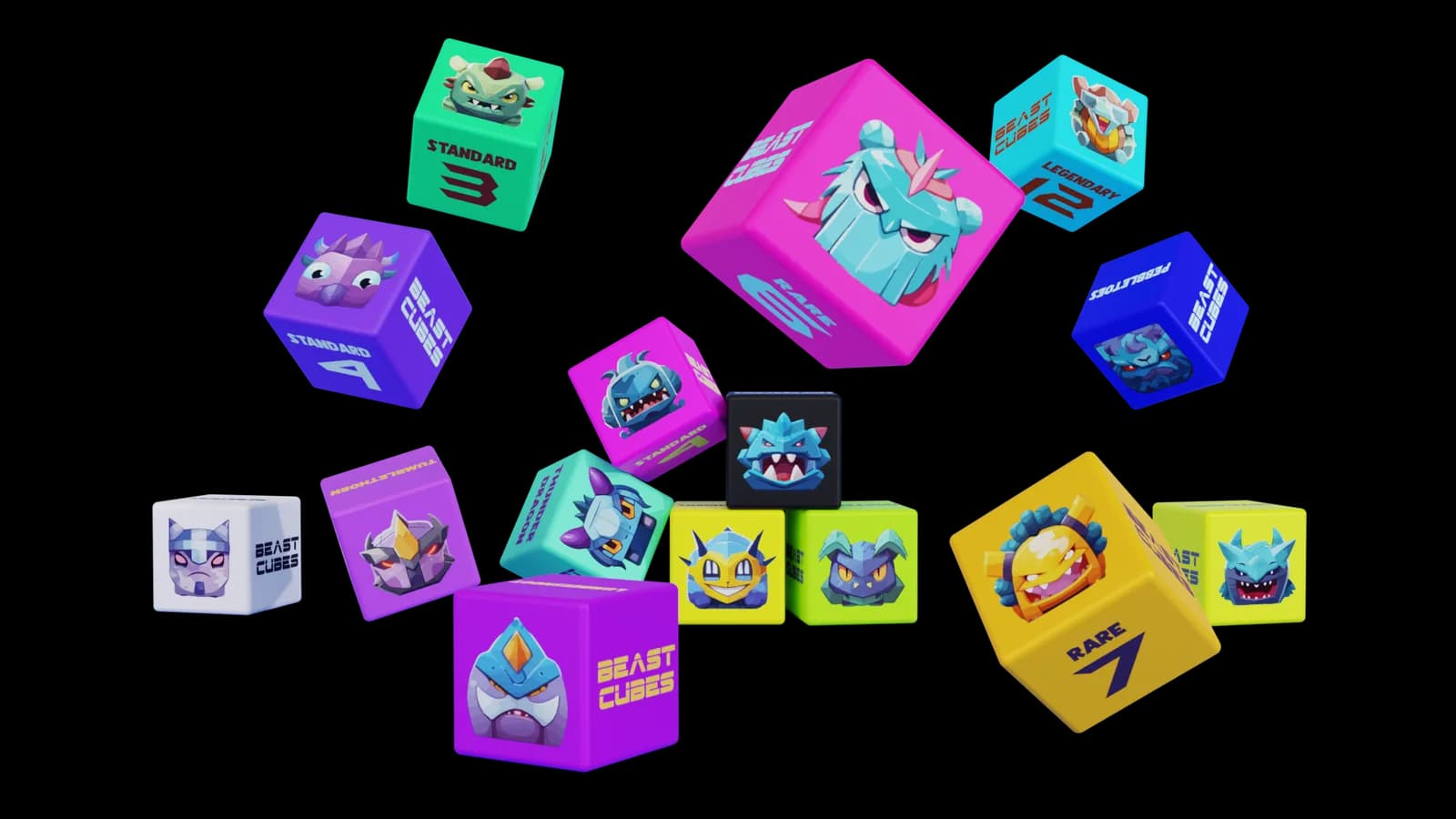
The collection acts as a shared language. Players can discuss Standard, Rare, and Legendary tiers, Life Points, favorite artwork, and memorable matches.
That shared knowledge can make the next interaction easier.
A community becomes stronger when experienced members help new ones participate.
In Beast Cubes, experienced players may explain safe setup, demonstrate techniques, help interpret the rules, or organize fair matches. The role is not only “best competitor.” It can also be teacher, organizer, collector, or ambassador.
This creates more ways to belong.
Beast Cubes should not encourage unrestricted play in store aisles, crowded walkways, roads, parking areas, or around breakable objects.
Community play should happen in clear, permitted spaces with appropriate supervision. Possible settings may include organized mall demos, clubs, community centers, event areas, school activities approved by the institution, backyards, or other spaces where the play area can be controlled.
For younger players, parents, guardians, or responsible organizers should manage participation and trading.
The Centers for Disease Control and Prevention notes that schools and communities can help create opportunities for young people to be active. Beast Cubes should not claim to satisfy daily activity recommendations or replace physical education, sports, or outdoor play.
Its contribution is more specific: it offers a physical game that can add another form of movement and social interaction to a broader set of activities.
A national community does not need to erase local identity. Different clubs or groups may develop their own friendly rivalries, teaching styles, favorite Beasts, and match traditions while following the same core rules.
Those local stories can make the wider Beast Cubes world feel real. The brand becomes connected to places and people rather than only products shipped from a store.
It may be tempting to build profiles, messaging, trading platforms, rankings, and event systems immediately. Those tools introduce moderation, privacy, child-safety, and operational responsibilities.
The stronger first step is proving that people want to play together in the physical world.
Beast Cubes can use digital tools to explain the game, share official updates, and announce confirmed events. The central relationship should remain between players, organizers, families, and local communities—not between users and another endless feed.
Digital Balance
A physical game gives people something to do together—and something to talk about before, during, and after the match.
Read article →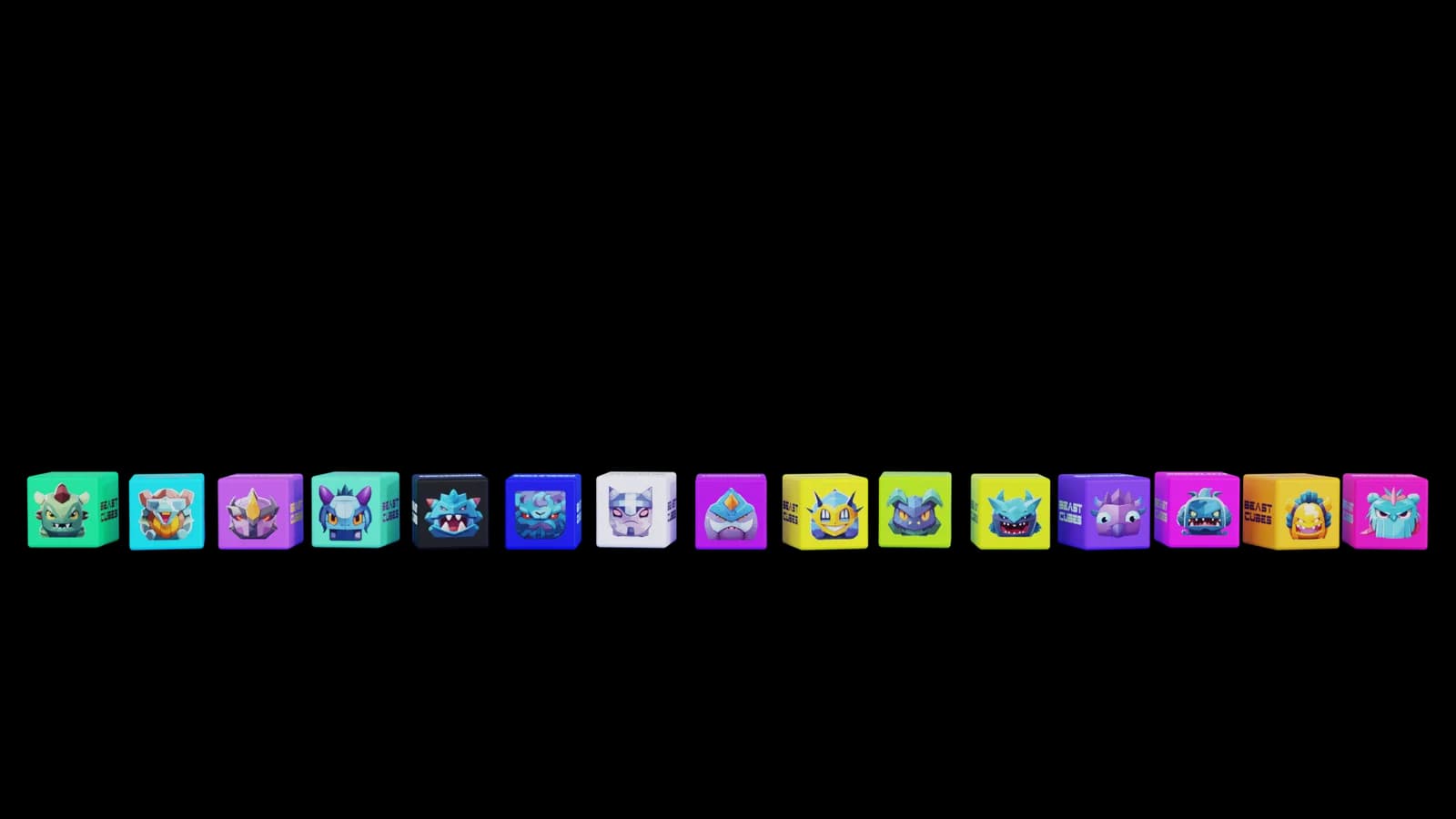
Collecting
A duplicate Beast Cube can become a trade, a gift, a new player’s first cube, or the beginning of a local connection.
Read article →
Community & Vision
The Beast Cubes vision combines physical skill, collectible characters, local community, and a world that begins away from the screen.
Read article →Learn the rules, meet the Beasts, and see how collecting and trading fit into the game.