
Collecting
Why Collecting Is Better When the Collection Can Play
Beast Cubes connects the satisfaction of collecting with the tension, stories, and shared moments of physical competition.
Read article →
Collecting
A duplicate Beast Cube can become a trade, a gift, a new player’s first cube, or the beginning of a local connection.
By Beast Cubes Team · Published August 2, 2026
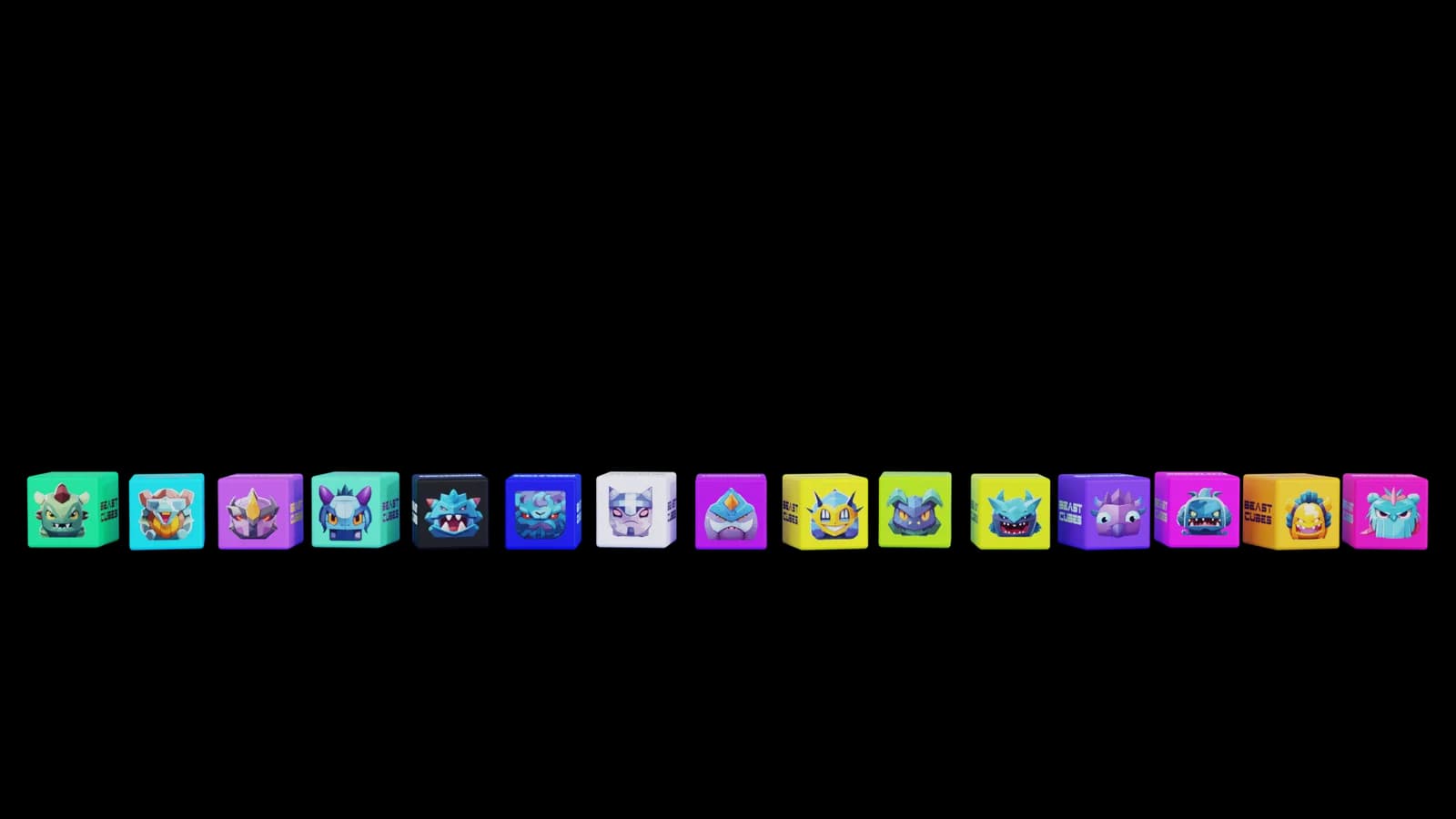
Opening or receiving a collectible you already own can feel disappointing. The first reaction is often simple: “I have this one.” Beast Cubes is designed around a second question: “What can I do with it?”
A duplicate can become a trade, a gift, a match between two copies of the same Beast, or the first cube given to someone who has never played before.
That makes duplication part of the community system rather than only a collection problem.
Two collections rarely grow in exactly the same way. One player may have an extra Standard Beast that another person needs. Another may be willing to exchange a different duplicate.
The value of the trade is not only completing a checklist. It creates conversation and negotiation:
For younger players, parents or guardians should be involved. Beast Cubes is designed around in-person trading and does not currently offer direct messaging or location-sharing tools.
Not every exchange needs to be equal or transactional. A duplicate can be given to a friend, sibling, relative, or new community member.
That gift can immediately become part of play. The new owner has a character to learn, a cube to kick, and a reason to join the next match.
A single duplicate can therefore expand the player community more effectively than leaving the extra cube unused.
Owning two copies of a Beast does not make them meaningless. They may enter different collections, belong to different players, or become part of a teaching match.
Two players using the same Beast can focus attention on physical skill rather than character differences. The match becomes a direct comparison of setup, technique, control, and execution.
A duplicate may also become a practice cube while another copy stays organized in the collection. Beast Cubes should not prescribe one “correct” way to use an extra.
A new player may hesitate to join a collectible game if they believe they must immediately buy a full product or understand an entire rarity system.
A gifted duplicate offers a simpler introduction. One cube is enough to begin learning what a Beast is, how the game uses Life Points, and how Baby Kick differs from Grasshopper Kick.
The existing player can explain the rules and create the first match. The collection grows socially before it grows commercially.
The Beast Cubes Starter Box is still being finalized. It is appropriate to explain that duplicates may support trading and gifting. Exact duplicate percentages, guaranteed rarity, and fixed assortment details will be shared when the product is finalized.
Trust matters more than surprise.
Physical trading should remain clear and responsible.
Recommended principles include:
Beast Cubes should not present trading as financial speculation. The focus is collecting, play, gifting, and community.
A duplicate becomes useful when it moves the experience forward.
It may complete someone else’s set. It may create a reason for two collectors to meet. It may introduce a friend to physical play. It may become part of a rematch or a gift remembered long after the exchange.
That is why duplicates are not the end of the fun. They can be the beginning of something new.
Collecting
Beast Cubes connects the satisfaction of collecting with the tension, stories, and shared moments of physical competition.
Read article →
Community & Vision
A local game gives people a repeated reason to meet, learn, compete, trade, and recognize one another over time.
Read article →Digital Balance
A physical game gives people something to do together—and something to talk about before, during, and after the match.
Read article →Learn the rules, meet the Beasts, and see how collecting and trading fit into the game.