Digital Balance
Digital Balance, Not Digital Detox: Making More Room for Offline Play
The goal does not have to be eliminating screens. It can be creating more intentional space for movement, conversation, and physical play.
Read article →
Digital Balance
A physical game gives people something to do together—and something to talk about before, during, and after the match.
By Beast Cubes Team · Published August 2, 2026
People can be together physically while still occupying completely separate digital worlds. One person watches a video, another scrolls, someone else plays with headphones on, and the room stays quiet. There is nothing inherently wrong with individual screen time, but shared space does not always create shared experience.
Physical games can change that because they give everyone a common object of attention.
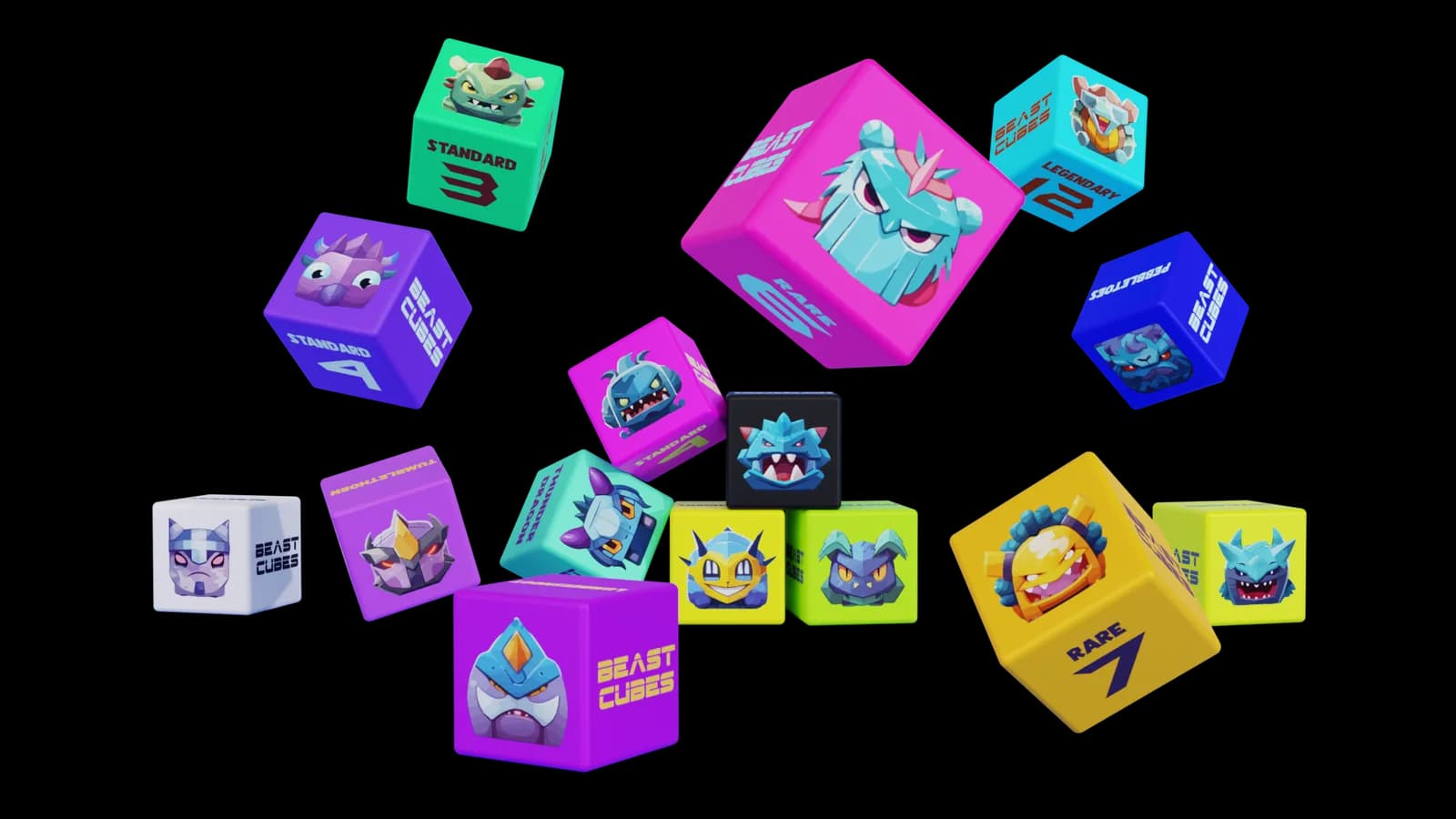
In Beast Cubes, players are not only looking at their own cube. They are watching the opponent’s setup, anticipating the kick, reacting to contact, checking Life Points, comparing Beasts, and preparing the next turn. The activity creates a reason to speak, respond, teach, and laugh together.
Some social activities require people to invent a topic before the interaction can begin. A game provides the topic automatically.
Players can ask:
These are small questions, but they help turn proximity into participation.
Face-to-face competition creates visible reactions. Players see concentration before a kick and surprise after an unexpected result. They can recognize improvement in real time. A successful move is not only a number on a screen; it is something everyone in the play area watched happen.
That immediacy makes rematches natural. Players can adjust their position, choose a different Beast, switch techniques, or try to repeat a successful kick. The game gives the group a simple reason to continue interacting.
Competition should remain respectful, age-appropriate, and organized around a clear permitted play area. For younger players, adults should manage participation and trading.
Baby Kick and Grasshopper Kick are not only labels. They create opportunities for players to explain how they approach control and power.
A new player may begin with Baby Kick because it is designed as the more beginner-friendly, precision-focused technique. An experienced player may demonstrate Grasshopper Kick as the advanced, power-focused option. The important social moment is not only whether the technique works. It is that one person can help another understand the game.
Teaching builds connection differently from simply consuming the same media. It requires attention to another person’s movement, questions, and progress.
A physical collection can extend relationships beyond one match. Players remember which Beasts their friends have, which ones they want, and which duplicates could become trades or gifts.
A trade is not only an exchange of objects. It can reflect trust, negotiation, generosity, and shared interest. Beast Cubes is designed for in-person trading without direct messaging or location-sharing features. Younger players should trade with parents or guardians involved.
That structure keeps the focus on real-world relationships rather than building another social platform.
The American Academy of Pediatrics recommends creating screen-free times and places as part of a family media plan. The purpose is not simply removing devices. It is making room for conversation, sleep, learning, movement, play, and family connection.
A physical game can support that goal because it offers a clear activity rather than an empty restriction. “No phones right now” may feel negative. “Let’s play a match” gives the same period a purpose.
Beast Cubes is only one possible activity among many. Families may choose cards, board games, sports, walks, creative projects, or outdoor play. The broader principle is that face-to-face time becomes easier when people have something engaging to share.
The long-term Beast Cubes vision is not a collection that stays isolated on a shelf. It is a collection that moves between matches, friends, families, clubs, organized demos, and community events.
Every Beast can become a reason to start a conversation. Every duplicate can become a reason to reconnect. Every technique can become something to practice or teach.
The game begins with cubes, but the real experience depends on the people around them.
Digital Balance
The goal does not have to be eliminating screens. It can be creating more intentional space for movement, conversation, and physical play.
Read article →
Collecting
A duplicate Beast Cube can become a trade, a gift, a new player’s first cube, or the beginning of a local connection.
Read article →Community & Vision
A local game gives people a repeated reason to meet, learn, compete, trade, and recognize one another over time.
Read article →Learn the rules, meet the Beasts, and see how collecting and trading fit into the game.