Physical Play
Why Some Games Lose Their Replay Value—and How Variety Keeps Play Alive
Replayability grows when the player, opponent, collection, and situation can keep changing—even when the core rules stay simple.
Read article →
Physical Play
Physical skill games turn control, timing, distance, and repetition into a challenge players can see and feel.
By Beast Cubes Team · Published August 2, 2026
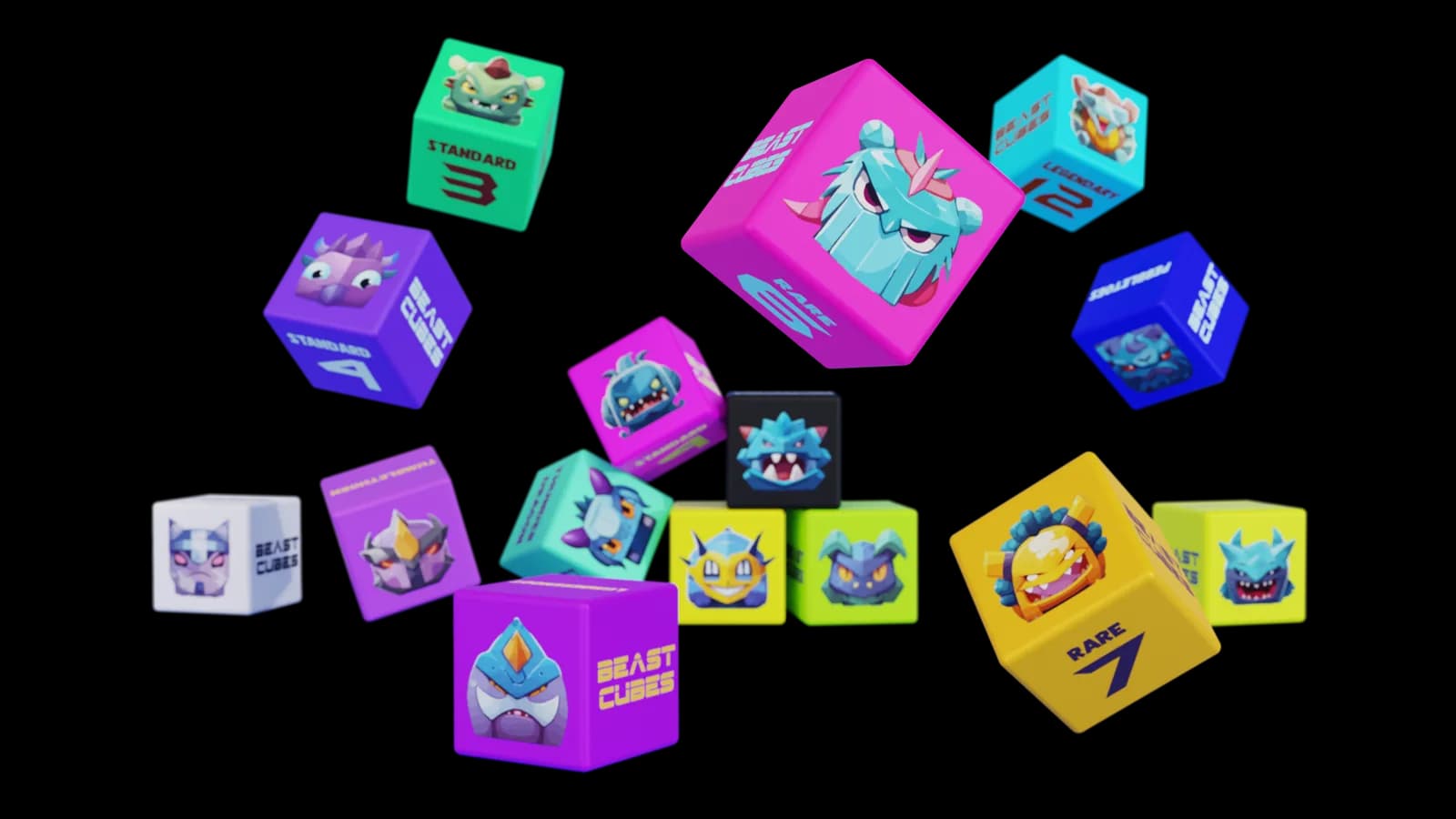
A physical skill game gives players immediate evidence of what they did. The cube traveled too far, stopped short, changed direction, or made contact. There is no hidden calculation between the player and the result. Position, control, timing, force, surface, and repetition all become visible parts of the challenge.
That is the foundation of Beast Cubes.
Players choose a collectible Beast Cube and use a kicking technique to send it into play. Baby Kick emphasizes control and precision. Grasshopper Kick is the advanced, power-focused technique. The difference between them creates an accessible starting point and a reason to continue improving.
In many games, progress is represented by points, levels, or achievements. Physical games add another form of progress: the player notices that a movement is becoming more consistent.
A beginner may first focus on simply directing the cube. Later, the same player may become more aware of distance, angle, setup, and the surface beneath the cube. The result is not guaranteed, and that uncertainty creates attention.
The goal is not perfection. The fun comes from trying, adjusting, and seeing whether the next attempt works better.
A game that relies only on surprise may lose energy once the surprise is gone. Skill can keep the same basic action interesting because the player changes over time.
The Beast Cube remains the same size. The kicking technique remains recognizable. But the player’s decisions and execution can change from match to match.
That means a rematch is not necessarily a repeat. A player can choose another Beast, switch from Baby Kick to Grasshopper Kick, adjust position, or test a different approach.
A physical cube behaves within real space. The surface matters. The starting position matters. The location of the opposing cube matters. Players must choose a clear, permitted, flat and smooth play area and keep it away from walkways, vehicles, breakable objects, and bystanders.
This environmental awareness is part of what separates physical play from an entirely virtual game. The play area is not merely background scenery; it is part of the conditions of the match.
The Centers for Disease Control and Prevention states that children and adolescents ages 6–17 should generally receive at least 60 minutes of moderate-to-vigorous physical activity each day, with a mix of activity types across the week.
Beast Cubes should not be presented as fulfilling that recommendation, replacing sports, or guaranteeing exercise. A match may involve standing, positioning, retrieving cubes, and repeated kicking movements, but the game has not been designed or tested as a fitness program.
Its role is narrower and more honest: Beast Cubes offers a physical, screen-free play option that can sit alongside sports, outdoor activity, walking, playground time, family games, and other forms of movement.
Practice becomes more compelling when the movement matters inside a match. Beast Cubes connects physical execution to character identity and Life Points.
A player is not kicking an anonymous block. The cube represents a Beast with a name, rarity, and LP value. The physical result affects a larger battle, while the larger battle gives the movement emotional weight.
This connection helps the game remain approachable. Players can care about the technique, the match, the Beast, or the collection—and often all four.
Baby Kick is designed as the beginner-friendly technique because it prioritizes control and precision. Grasshopper Kick offers an advanced option for players who want to work with more power.
A two-technique system communicates that there is more than one way to enter the game. New players do not need to begin with the most advanced movement. Experienced players still have something to practice.
Players should follow the official Beast Cubes instructions when learning each technique.
The best part of a physical game is often the reaction around the result. Players see the kick, hear the contact, and respond together. One person may ask how the other controlled the cube. Someone may attempt the same technique. A surprising result may immediately create a rematch.
That shared visibility is why physical skill games continue to matter. They create challenge inside a real place, with real objects and real people.
Physical Play
Replayability grows when the player, opponent, collection, and situation can keep changing—even when the core rules stay simple.
Read article →
Physical Play
Beast Cubes uses a compact physical format to create precision, character identity, collection value, and head-to-head competition.
Read article →Digital Balance
The goal does not have to be eliminating screens. It can be creating more intentional space for movement, conversation, and physical play.
Read article →Learn the rules, meet the Beasts, and see how collecting and trading fit into the game.