Physical Play
Why Physical Skill Games Still Matter
Physical skill games turn control, timing, distance, and repetition into a challenge players can see and feel.
Read article →
Physical Play
Replayability grows when the player, opponent, collection, and situation can keep changing—even when the core rules stay simple.
By Beast Cubes Team · Published August 2, 2026
A game can make a strong first impression and still become predictable after only a few sessions. The problem is not always that the rules are too simple. Some of the most replayable games have rules that can be explained quickly. The difference is whether the experience continues to change after the rules are understood.
Replayability often comes from several layers working together: player skill, different opponents, changing decisions, collectible variety, and social context. Beast Cubes is being designed around that combination.
The core physical action in Beast Cubes is easy to describe: a player kicks a Beast Cube toward an opposing cube. But the outcome depends on more than understanding the sentence.
Players choose between Baby Kick and Grasshopper Kick. They consider control, power, position, and distance. They play on a real surface rather than inside a perfectly repeatable simulation. They respond to another person’s setup and result.
That means the basic action remains recognizable while the execution changes.
A game loses energy when players feel that nothing they do matters. Physical skill creates a direct relationship between attempt and outcome.
The player can adjust. A kick that traveled too far can lead to a more controlled next attempt. A weak result can lead to a change in technique. A successful movement can become something to repeat under pressure.
The game does not need a complicated control scheme to create depth. It needs enough room for the player to notice improvement.
Playing the same person repeatedly can still produce variety because physical execution is never perfectly identical. Playing different people adds another layer.
Some players may prefer careful Baby Kick control. Others may build their style around Grasshopper Kick. Some may focus on a favorite Beast, while others change cubes frequently.
The match becomes partly about the pieces and partly about the person using them.
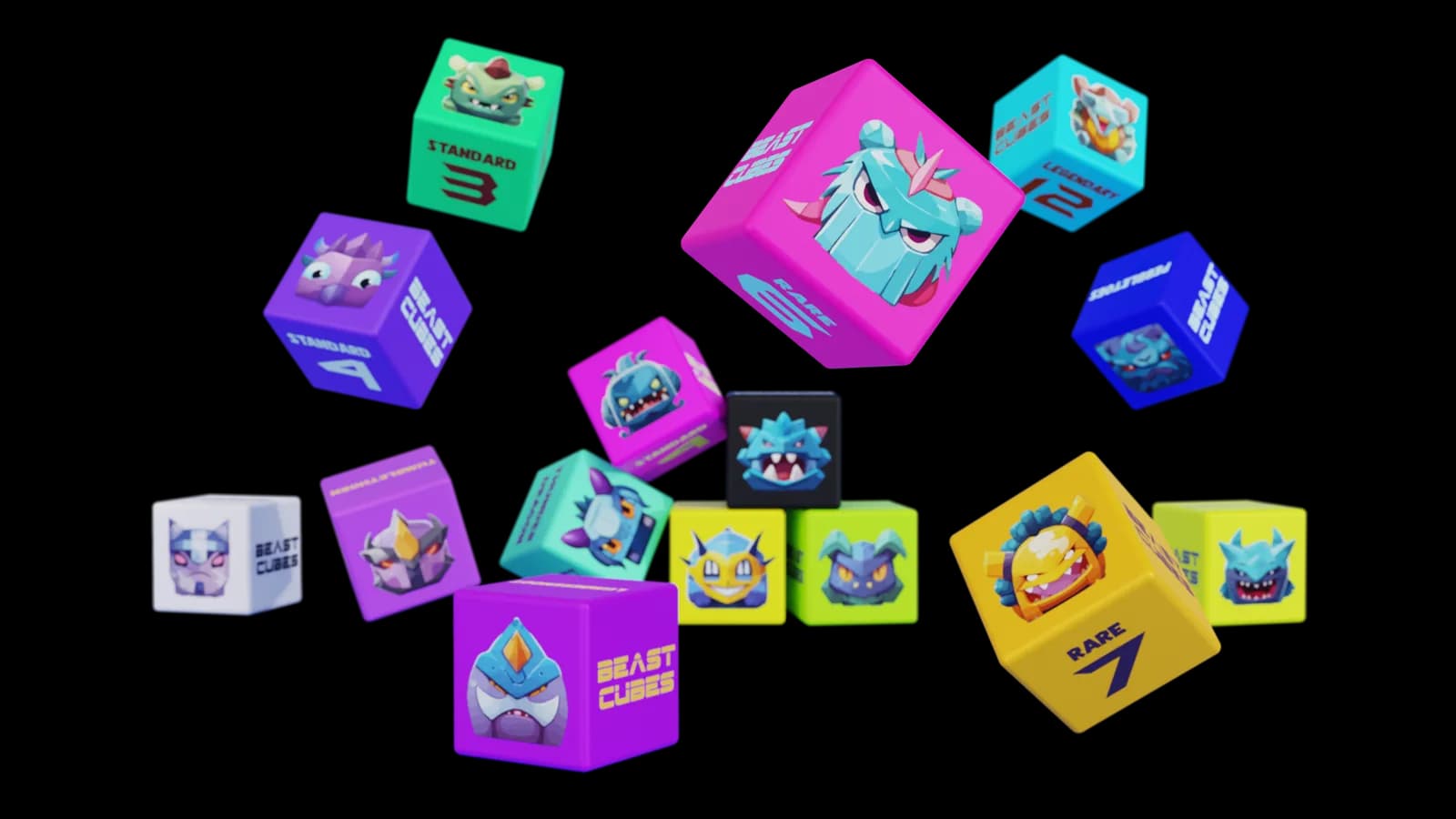
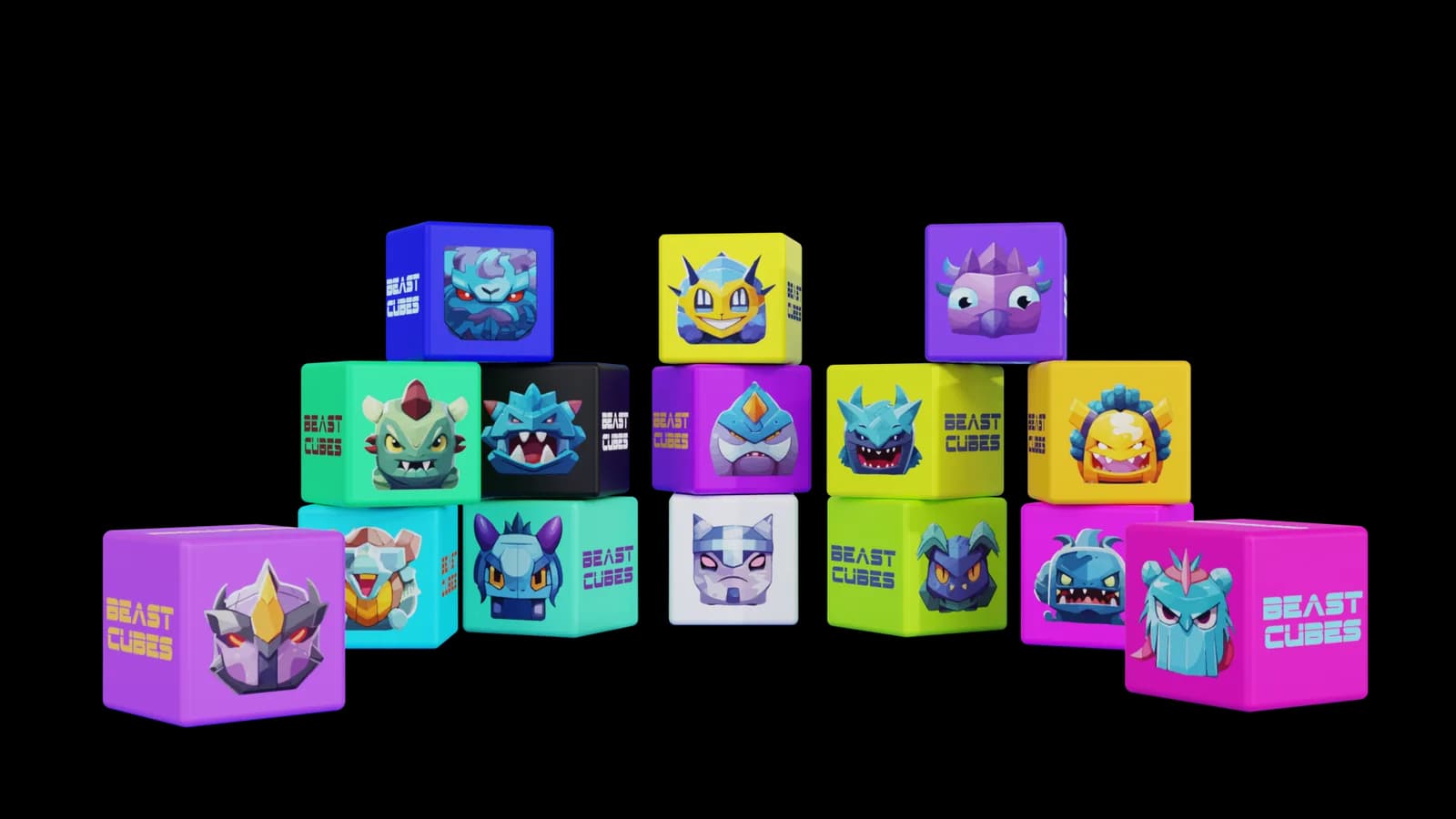
Collectible games gain replayability when the collection changes what players bring into play. Beast Cubes gives every revealed Beast a character identity, rarity tier, and Life Points value.
The broader Season One framework is designed around Standard, Rare, and Legendary Beasts. As the revealed collection grows, players can become attached to different designs and choose cubes for different reasons.
The Season One framework describes a broader collection world. Starter Box contents and current availability are still being finalized.
A duplicate can alter what happens outside the match. It may become a trade, a gift, or a way to introduce another player.
That social layer extends replayability beyond the rules. A player may return because a friend found a new Beast. A trade may create a new favorite. A local group may compare collections before deciding which cubes enter the next match.
Beast Cubes intentionally keeps trading in person. It does not offer direct messaging or location sharing. For younger players, parents or guardians should be involved.
Replayability should not depend on endless complexity or manufactured urgency. Players do not need a new rule every week. The foundation should remain understandable.
New Beasts, community play, different matchups, and skill development can expand the experience without changing the identity of the game.
The goal is not to make every match feel completely unfamiliar. The goal is to make the player care about what happens this time.
It is tempting to say that existing games are boring and a new product is the solution. That is too broad. Different players enjoy different things, and familiar games often remain popular for good reasons.
A more useful design question is: what causes a particular experience to lose energy for a particular player?
Sometimes it is lack of agency. Sometimes it is repetition without improvement. Sometimes the game has no social reason to return. Sometimes the collectible object has nothing to do after it is opened.
Beast Cubes addresses those specific problems by connecting physical skill, competition, character identity, collecting, and trading.
No single feature creates lasting play on its own. The Beast Cubes approach is a system:
That is how a small cube can support more than a single moment of novelty.
Physical Play
Physical skill games turn control, timing, distance, and repetition into a challenge players can see and feel.
Read article →
Collecting
Beast Cubes connects the satisfaction of collecting with the tension, stories, and shared moments of physical competition.
Read article →
Physical Play
Beast Cubes uses a compact physical format to create precision, character identity, collection value, and head-to-head competition.
Read article →Learn the rules, meet the Beasts, and see how collecting and trading fit into the game.