Digital Balance
Digital Balance, Not Digital Detox: Making More Room for Offline Play
The goal does not have to be eliminating screens. It can be creating more intentional space for movement, conversation, and physical play.
Read article →
Community & Vision
Beast Cubes was created around a simple idea: physical play can still feel collectible, competitive, social, and surprising.
By Beast Cubes Team · Published August 2, 2026
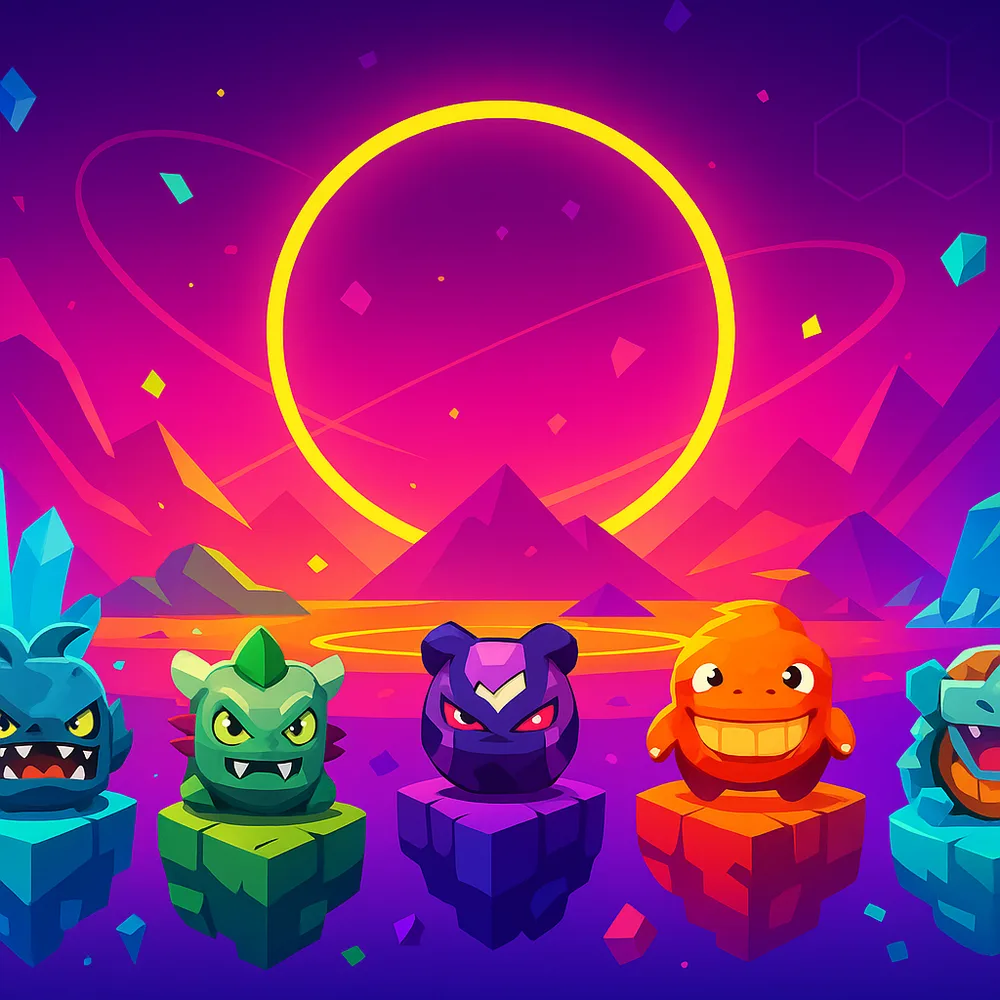
Modern entertainment gives us endless ways to watch, scroll, tap, and stream. Those experiences can be creative, social, and genuinely fun. But they also leave room for something different: a game that begins with a real object, a real person across from you, and a real moment of anticipation before the next move.
Beast Cubes exists to make that kind of play feel exciting again.
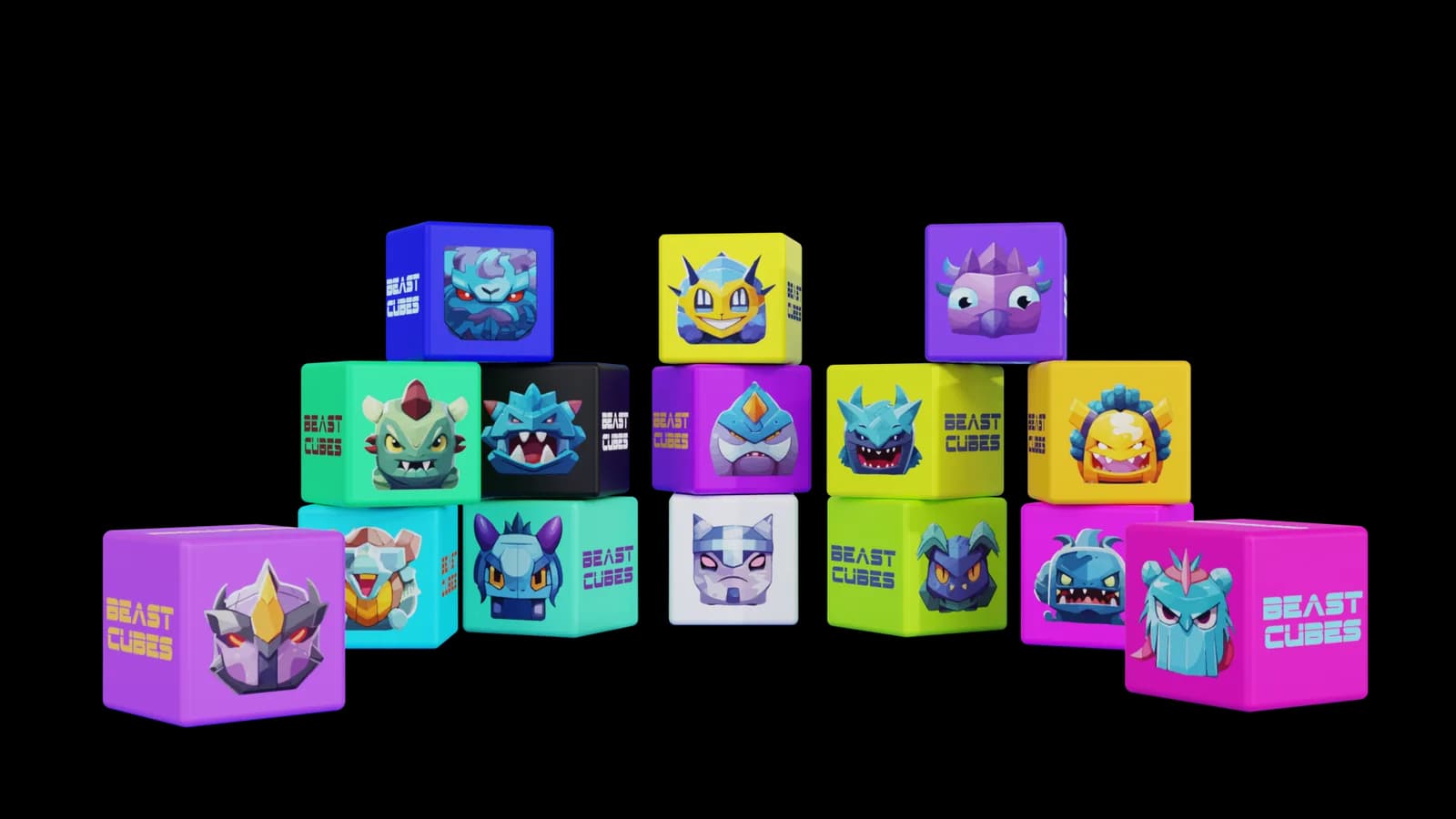
The idea is simple. Players choose a collectible Beast Cube, select a kicking technique, and try to make contact with an opposing cube. Every Beast has a character, a rarity tier, and a Life Points value. The match is physical, but the larger experience goes beyond a single round. Players can build collections, compare Beasts, trade duplicates, teach one another techniques, and bring new people into the game.
That combination matters. Beast Cubes is not only a small object to display, and it is not only a game piece with no identity. The cube is both character and competitor. The collection gives the match meaning, while the match gives the collection a purpose.
Many collectible products are designed mainly to be opened, admired, organized, and stored. That can be satisfying, but Beast Cubes asks another question: what if the collection could play?
Each Beast Cube is an engraved ABS cube with its own artwork, rarity, and Life Points value. Standard, Rare, and Legendary tiers help create a broader Season One world. The physical format is compact, but the experience is intended to grow through competition, discovery, and community.
A player can care about a Beast because of its appearance, its rarity, its LP, a memorable match, or the person who traded it to them. Over time, the collection can become a record of play rather than only a row of objects.
A physical match naturally creates moments that are difficult to reproduce through a passive screen. Players watch how someone positions a cube. They react when a kick goes farther than expected. They discuss whether to use Baby Kick for control or Grasshopper Kick for power. They reset the play area, compare results, and try again.
The game is intended to create conversation without requiring an online chat system. It gives players a reason to meet, compete, trade, and share techniques in person. For younger players, trading and organized participation should remain parent- or guardian-managed.
This is why community is not an extra feature added after the product. Community is part of the product idea itself.
A good physical game should make the first attempt understandable without making every attempt identical. Beast Cubes uses two named techniques to create an accessible starting point and a path toward improvement.
Baby Kick is the beginner-friendly, precision-focused technique. Grasshopper Kick is the advanced, power-focused technique. Players can begin with control, learn how different surfaces affect play, and gradually develop their own consistency.
Beast Cubes does not need to replace sports, outdoor play, or other games. It is another option: a compact physical challenge that can fit into a broader routine of active, social, real-world play.
Duplicates are often treated as a disappointment in collectible products. Beast Cubes is designed around a different possibility. A duplicate can become a trade, a gift, or the first Beast Cube given to a new player.
That changes the role of collecting. Instead of ending with “I already have this one,” a duplicate can begin a conversation: “Which Beast are you looking for?” “Do you want to try the game?” “Would you trade for this one?”
The long-term vision is a local and national community of players connected by physical play, collecting, and shared discovery. That could include organized demos, clubs, community matches, and future competitive events—but the foundation is much simpler: two people, a clear permitted play area, and a pair of Beast Cubes ready for a match.
Beast Cubes is being built in a time when many products begin with an app, an account, or a notification. This game begins with a cube in your hand.
The goal is not to reject technology. Technology can help people discover the game, learn the rules, and follow the collection. But the main experience happens away from the interface. Players kick, react, reset, compare, collect, and play again.
That is why Beast Cubes exists: to build a collectible world that comes alive through real-world play.
Digital Balance
The goal does not have to be eliminating screens. It can be creating more intentional space for movement, conversation, and physical play.
Read article →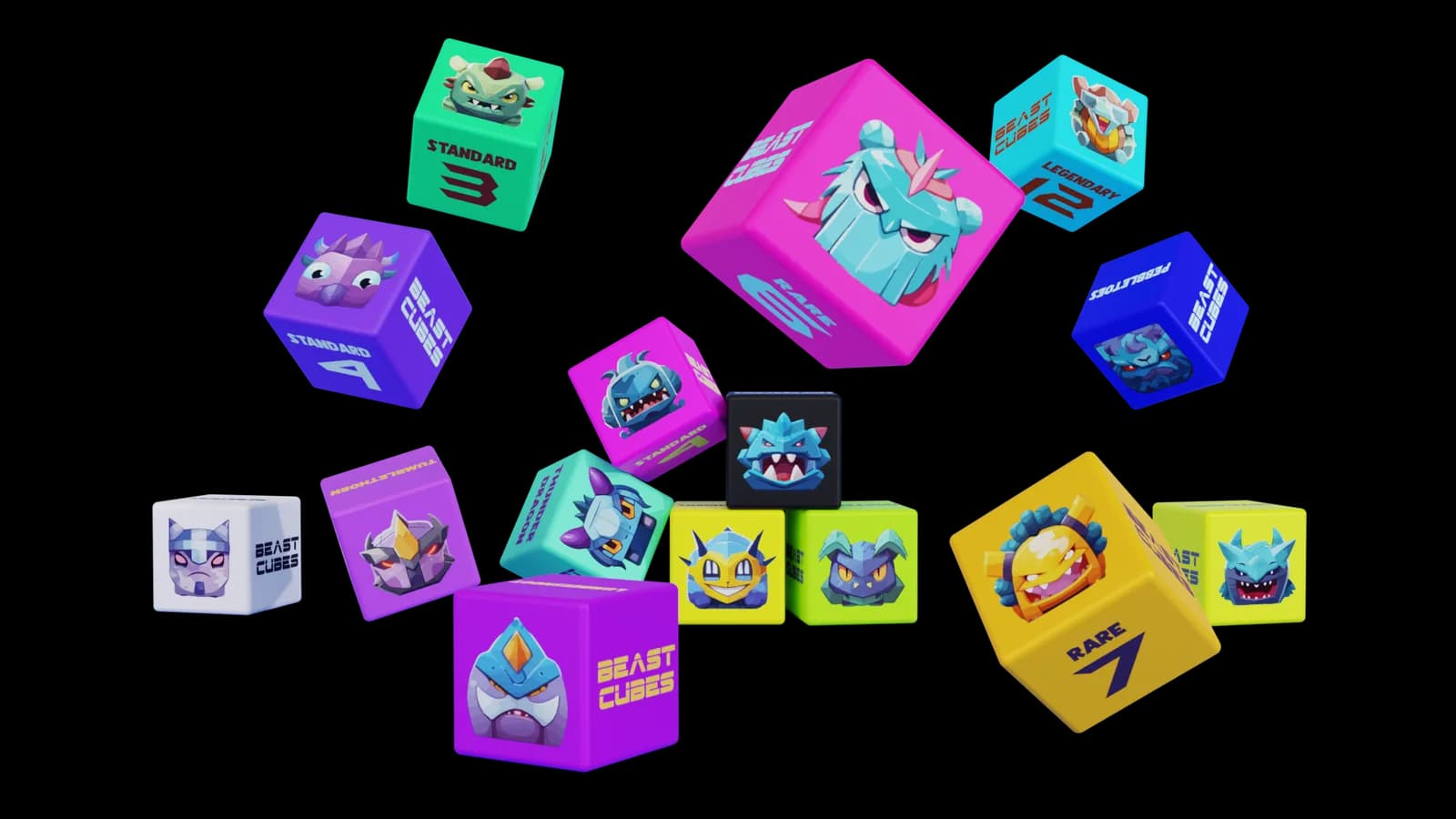
Digital Balance
A physical game gives people something to do together—and something to talk about before, during, and after the match.
Read article →Community & Vision
The Beast Cubes vision combines physical skill, collectible characters, local community, and a world that begins away from the screen.
Read article →Learn the rules, meet the Beasts, and see how collecting and trading fit into the game.